
Many agencies fall into the trap of believing that the mere act of getting people to do their timesheets will magically unlock insights. The time time the herculean effort to get all the time submitted is finished, no one wants to spend a minute more thinking about it. This is completely normal, timesheets do suck, but how much they have to suck is something within our control.
If you’re thinking about setting up timesheets at your company or are looking for ways to improve your current situation, there are a few areas where agencies fall into some well intentioned timesheet traps that kill team morale and get you no closer to getting good data.

The Goal of Time Tracking
The essence of time tracking isn’t about policing productivity; it’s about fine-tuning your ability to estimate projects accurately. Only by ensuring you’re compensated for the actual time spent can you dive into deeper discussions about utilization, profitability, and growth.
To truly leverage time tracking, agencies must focus on two objectives:
- Capturing Accurate Time Data
- Simplifying the Process of Time Data Collection
Unfortunately, many agencies falter on both counts, resulting in frustration and suboptimal outcomes. The good news? These issues are addressable with a shift in perspective on the role and utility of timesheets.
Navigating Through Common Time Tracking Pitfalls
Let’s get into some pitfalls where a bit of vigilance can turn potential setbacks into opportunities for improvement.
- Overcomplicating with Too Many Options
I always think back to the wisdom of Steve Krug’s, “Don’t make me think.” Most people juggle between one and four projects—so keep it simple. Assign one code per project. Getting granular with task-level tracking more often than not backfires. Keep it straightforward and save everyone the headache.

2. Skipping Job Codes
The excuses for not using job codes range from “we don’t have that many projects” to “it feels too corporate.” If you’re unsure about the best numbering system, starting with #1, #2, #3 works fine. Without specific codes, people end up selecting the first mention of something that sounds like their project.
3. Demanding Excessive Time Detail
Requiring logs in hours is reasonable, with half-hour increments as an easy compromise. But asking for minute-by-minute accounting? That’s overkill. For those multitasking on several projects, an approximate number of hours per day is more than sufficient.
4. Giving Inconsistent Instructions
If employees are constantly asking, “How should I log my time?” it’s a sign of unclear guidance. The answer should always be straightforward: log all time related to the project, aiming for accuracy.
5. Questioning Honesty
It’s one thing to ask for accurate time entries; it’s another to then doubt and ask for details on the submission. This not only gives them extra work but teaches a team what not to say next time. Directly questioning a timesheet should be a last resort step. The information you’re looking for should available via other channels. If not, it’s probably a good sign that you need to be paying closer attention to what’s happening.

6. Leaving Billable vs. Non-Billable Decisions to Employees
David C. Baker explains it the best, if an activity would cease without the client, it’s billable. Deciding what counts shouldn’t fall on employees. Clear guidelines from the start ensure everyone’s on the same page. The easiest solve is to have only billable jobs for client work.

7. Tracking Time Solely for Billing
Asking teams to create time entries that align with a time & materials contract defeats the purpose of tracking. It’s crucial that recorded time reflects actual work to refine future estimates. Padding hours doesn’t help anyone in the long run.

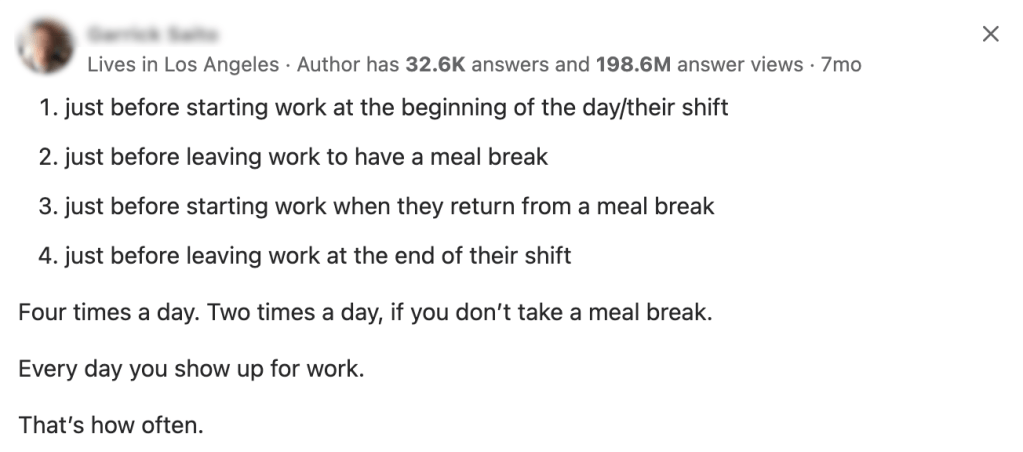
8. Expecting 8 Hours of Billable Work Daily
It’s unrealistic and overlooks non-billable necessities like internal meetings, presentations, breaks, lunch etc. A more nuanced view of each person’s workweek, including holidays and company events, offers a fuller picture.

9. Neglecting a Regular Submissions Cadence
While daily submissions may seem ideal, it’s impractical and creates resentment unless it’s been built into your culture early on. Striving for anything less frequent than weekly risks making the data stale and less actionable. Establish a routine of weekly submissions to keep information timely and relevant, and stick to it.
Smarter Time Tracking
A quick story to bring it home: Not too long ago, the dealership from which I bought my car was snapped up by a larger company. After a service visit, the manager hinted I’d receive an email to rate my experience. He suggested I rate it a “9” instead of a “10,” explaining a “10” would ironically register as a “0” on their feedback system, triggering a visit from HQ.
This story highlights a broader truth: systems, when poorly designed or implemented, often lead to outcomes contrary to their intended purpose.
If any of these pitfalls ring true for you, the silver lining is they’re all fixable, starting now. And with the increasing availability of AI tools I think we might soon expect that time tracking will become one of those things we’d be more than happy for AI to take over.
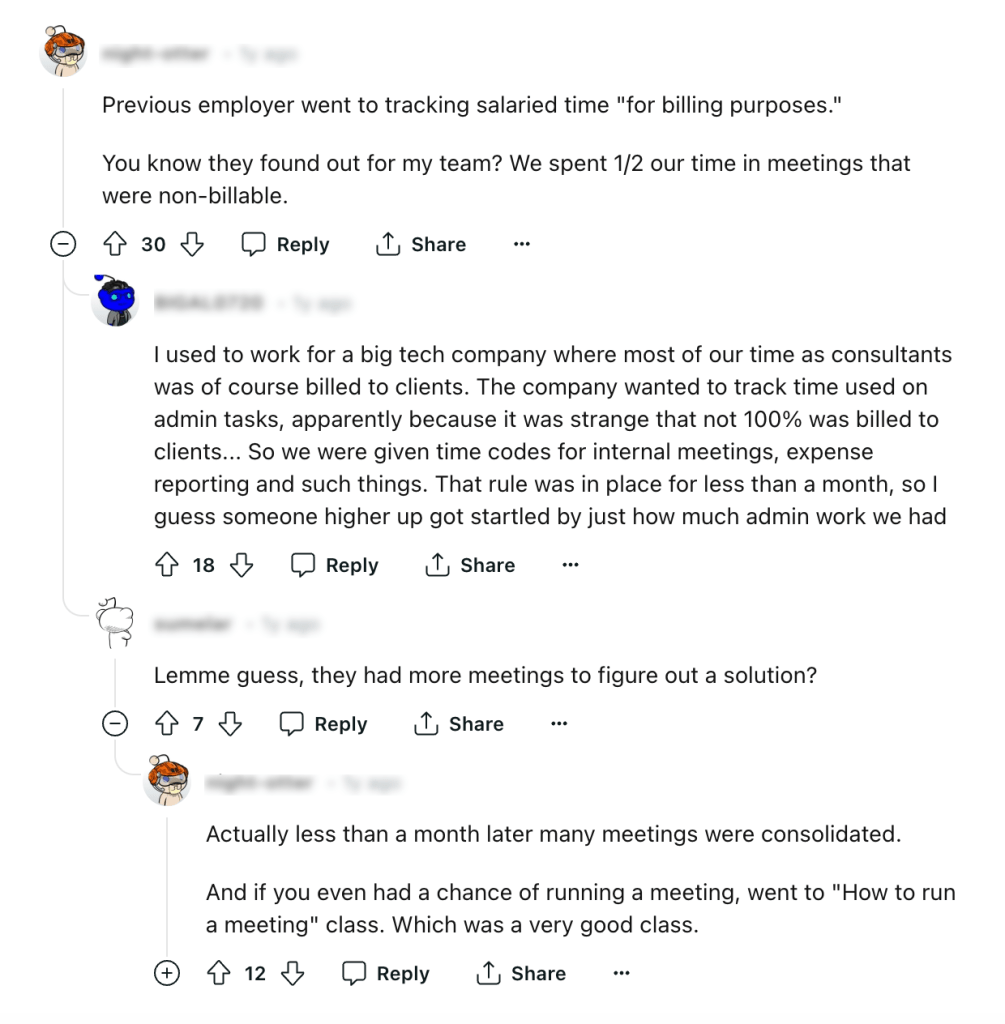
And I’ll leave you with some evidence that positive outcomes are always possible!
 APPITY SNACKS